
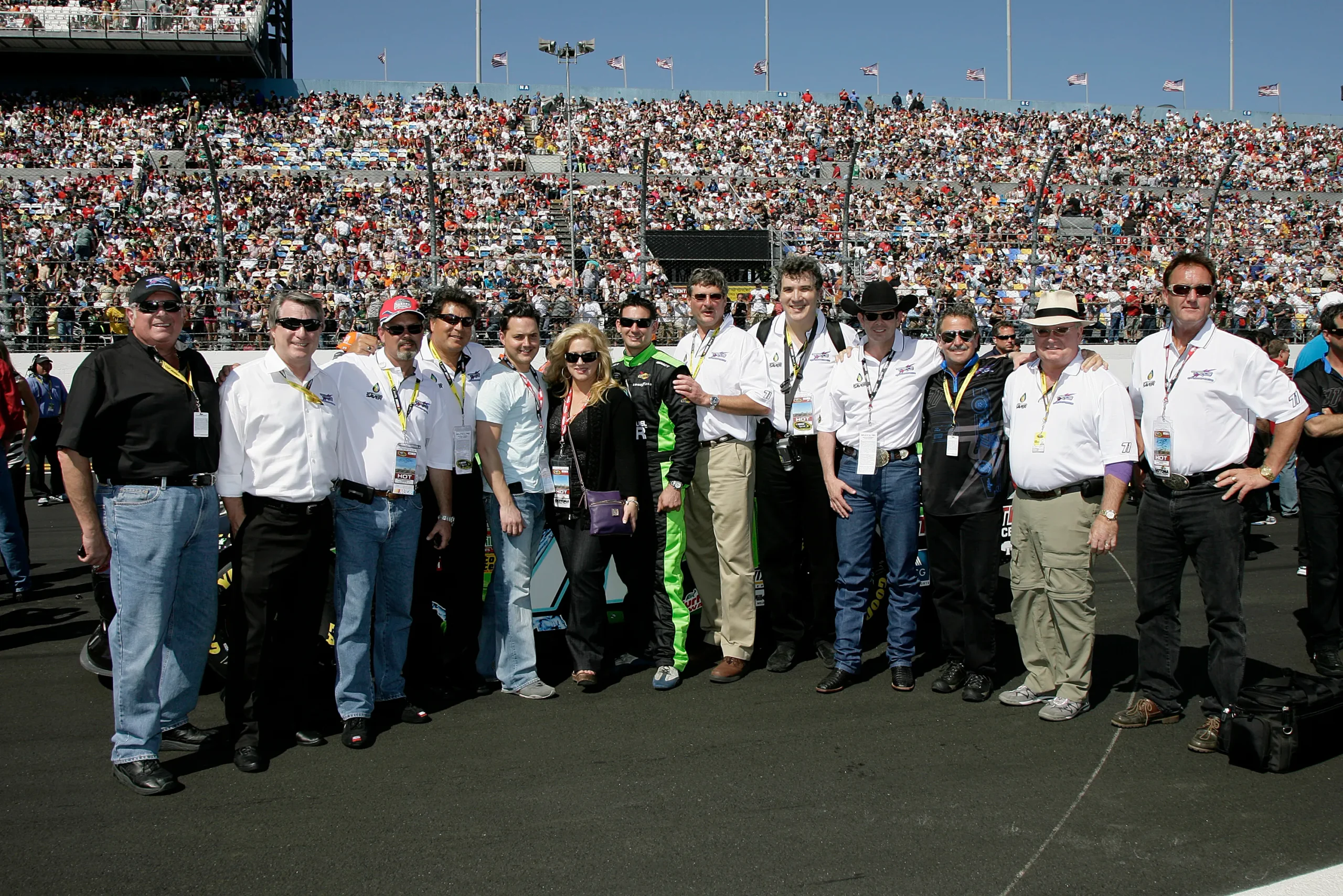
The Daytona 500 rewards teams that are in position at the end, not teams that are fastest early, and NASCAR’s record proves it. 54 of the 68 races were won by teams that have won it more than once. Annual audits work the same way: anyone can pass one, but passing every year for every client takes experience and a repeatable system. Companion piece:
- 54 of 68Wins by repeat-winning teamsAbout 79% of all Daytona 500s
- 10Hendrick Motorsports winsMost of any team
- 20Tries Dale Earnhardt neededWon in 1998
- 3Cup teams profitable in 2024Average team lost $2.2M per car
I. The Race Is Decided at Lap 197
1. A grueling race remembered for three laps
200 laps, 500 miles, about three and a half hours at full intensity, and history remembers only the finish. The 2026 race averaged 147.1 mph, with draft speeds near 200 mph.[1]
- Today’s cars rarely fail on their own; most cars that drop out are taken out in crashes.
- Every call from the driver, crew chief and spotter is a bet on reaching the end in position.
2. Two filters
Each objective eliminates about 75% of the cars still in contention.
| Stage | Objective | Cars left |
|---|---|---|
| Start | Make the field | 40 |
| Filter 1 | Reach the sweet spot: lap 197, top 10, healthy car, good tires, enough fuel, in a pack holding position or moving up | ~10 |
| Filter 2 | Get to second on the final lap, draft the leader, pass before the line | 2–3 real contenders |
Starting position barely matters: winners have started 32nd (Bayne, 2011), 39th (Hamlin, 2020) and 43rd, dead last (Kenseth, 2009).[1]
II. Luck Wins Once. Experience Wins Again.
1. Wins concentrate in a few teams
Fourteen teams won it once and never again; repeat-winning teams account for the other 54 wins.[1]
| Team | Daytona 500 wins |
|---|---|
| Hendrick Motorsports | 10 |
| Petty Enterprises | 9 |
| Wood Brothers Racing | 5 |
| Joe Gibbs Racing | 4 |
| Childress, Penske, Yates, DEI, Morgan–McClure, Ranier–Lundy | 3 each |
| Holman-Moody, Junior Johnson, Melling, Roush | 2 each |
2. Drivers show the same pattern
- 44 different drivers have won the 68 races; Richard Petty won 7 and Cale Yarborough 4.
- Hendrick has won back to back three times: 2005–06, 2013–14 and 2024–25.
- Dale Earnhardt won 34 races at Daytona but needed 20 tries to win the 500.
- Since 2000, four organizations (Hendrick, Gibbs, Penske, Childress) have won 14 of 27.
III. Our 2011 Daytona 500
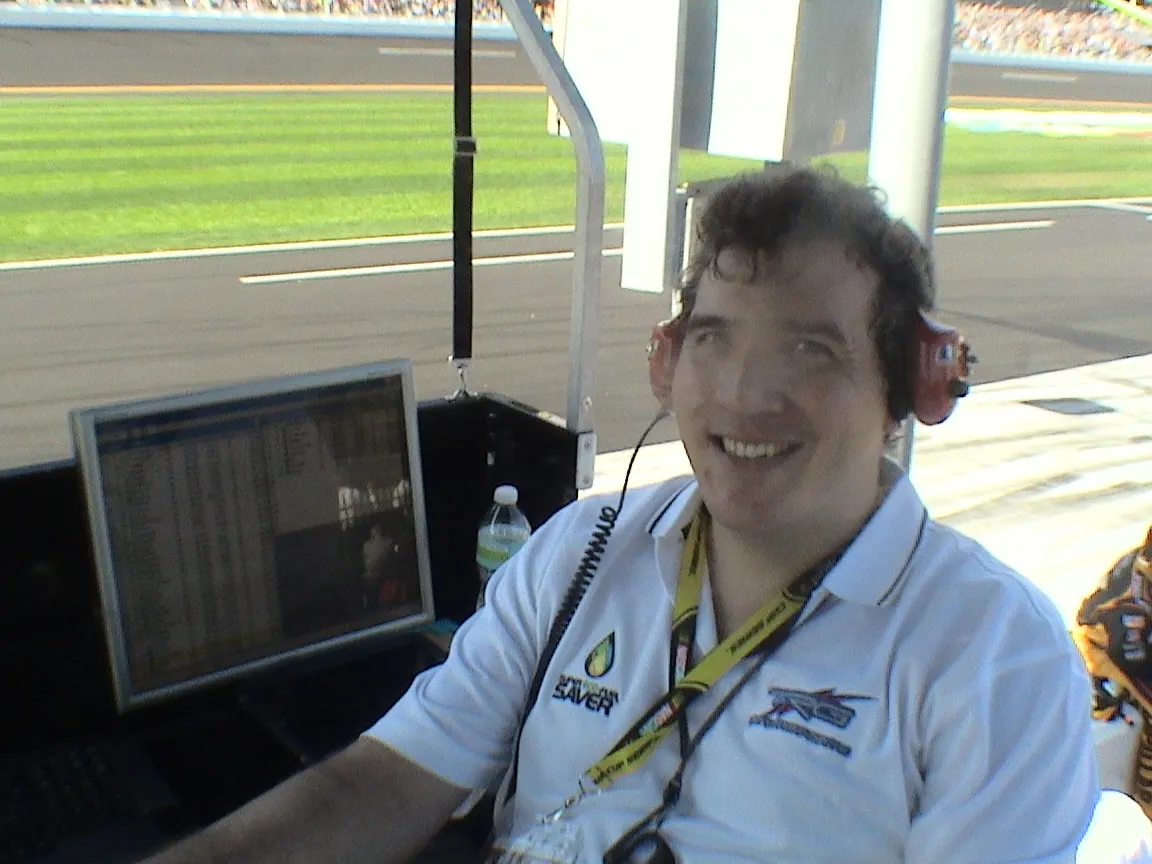
1. From the pit box
2. Up front early, out by lap 29
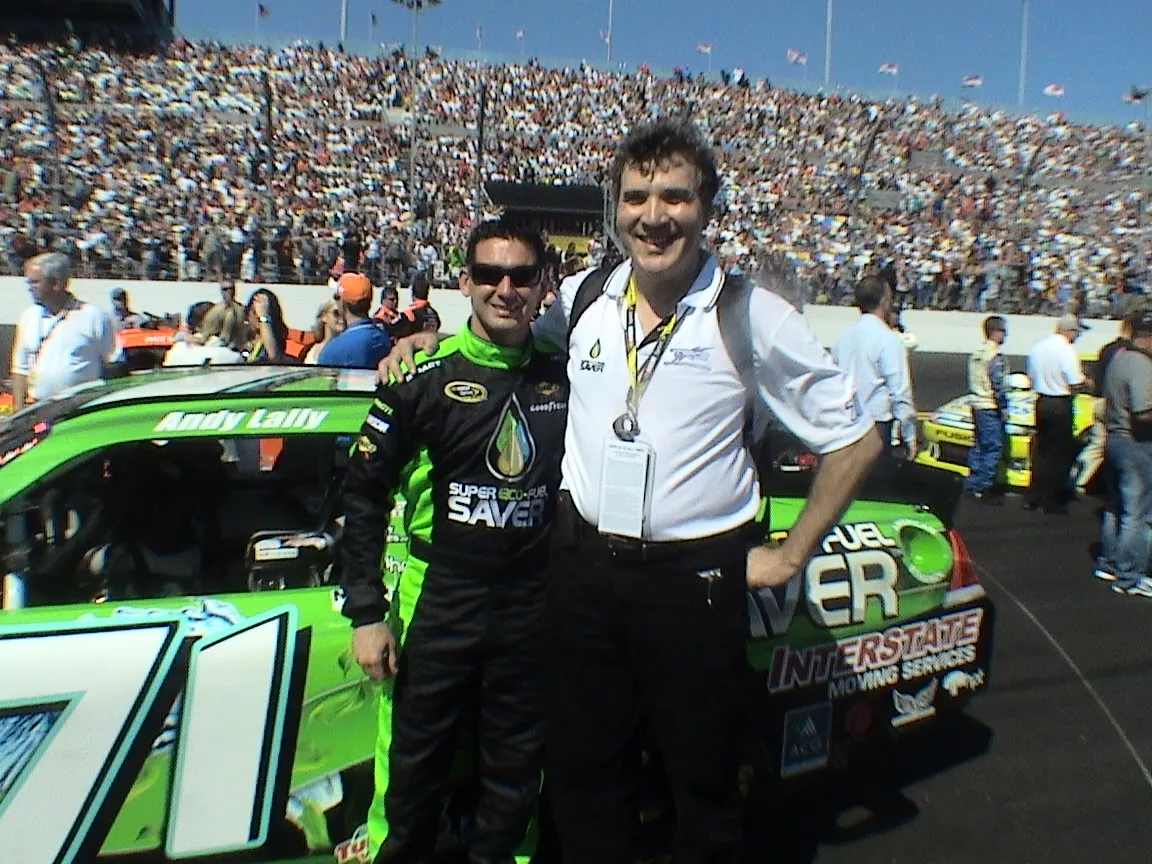
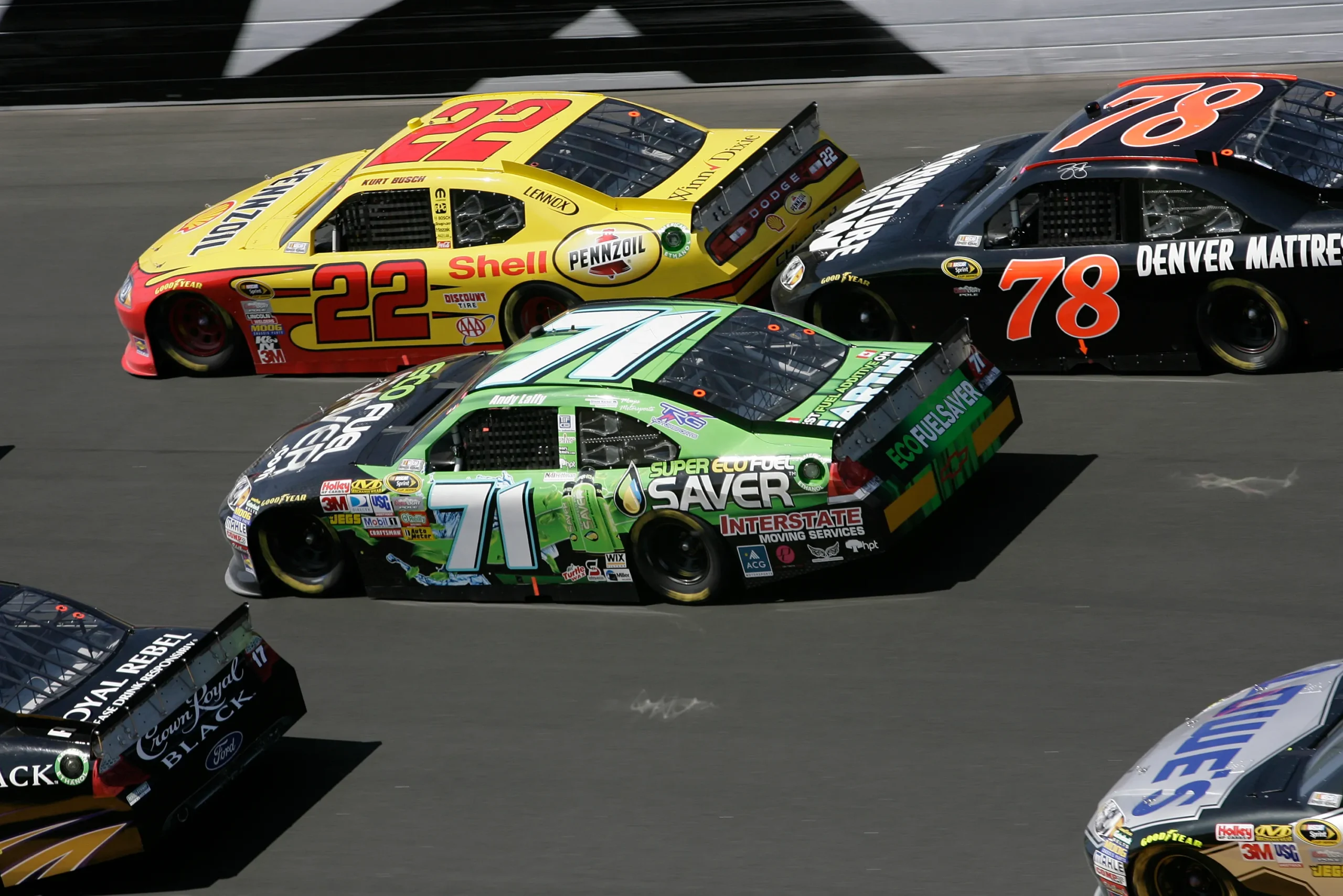
LessonOur small team ran up front early, then was taken out by someone else’s crash before the race was 15% done. TRG Motorsports brought one speedway car with almost no testing.[2]
- Andy Lally qualified 37th and moved quickly toward the front, showing first on the live tracker during a round of pit stops.
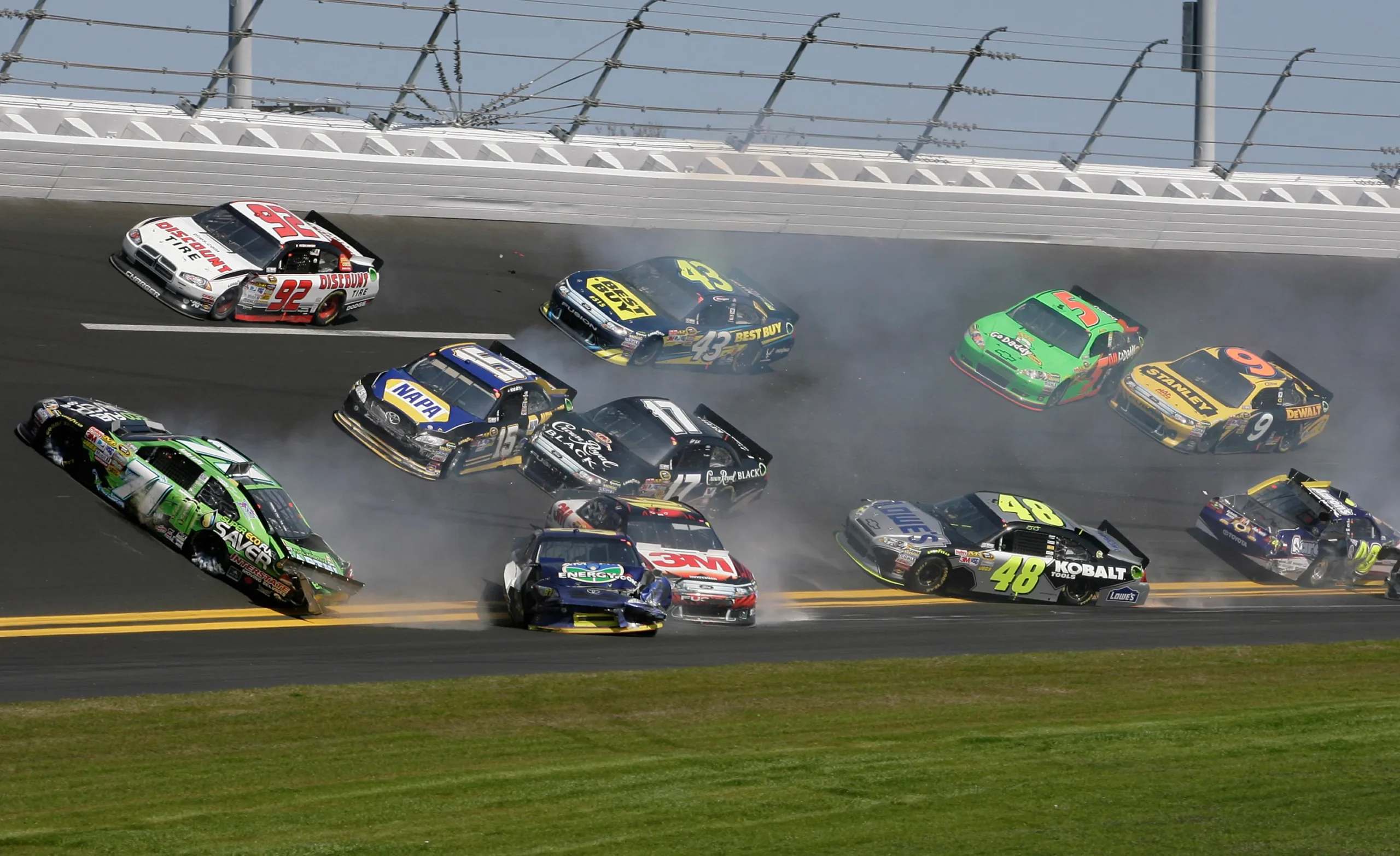
- On lap 29, a 17-car crash we didn’t cause sent the No. 71 into the wall.[3]
- He finished 33rd, 149 laps completed, with no laps officially led.[4]
- We won Cup Rookie of the Year that season; Trevor Bayne won that day from 32nd and never won the 500 again.
3. In the draft
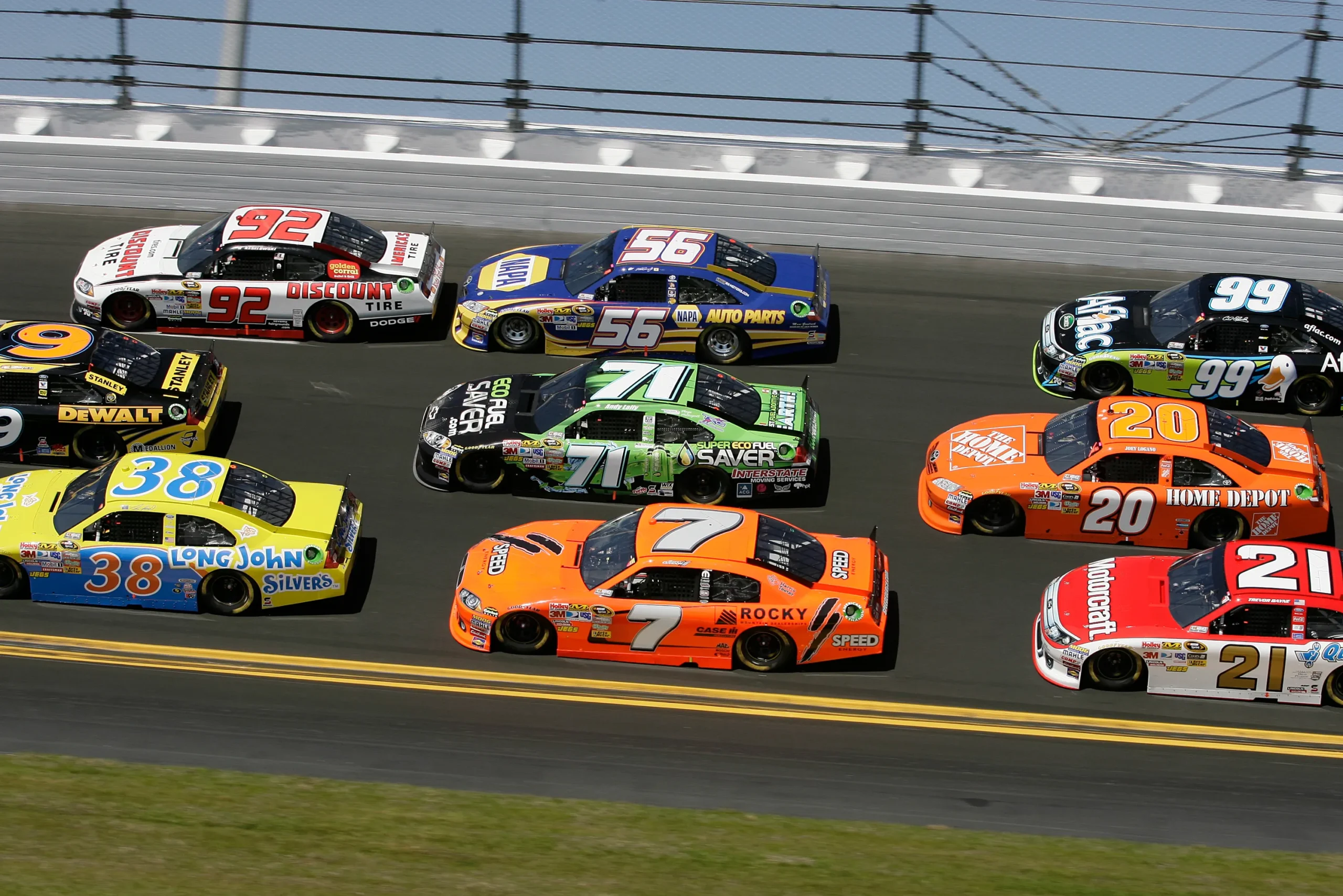
4. Moments before
5. The Big One
IV. Consistency Pays the Bills
1. Prize money doesn’t keep a team alive
Only three Cup organizations made money in 2024, and the average team lost about $2.2 million per car. These figures come from financial records made public in the 23XI Racing / Front Row Motorsports lawsuit against NASCAR.[5]
- Revenue per car ranged from $8.2M to $43M; most of the difference is sponsorship.
- Charters pay about $330K–$488K per race, which sets a floor but isn’t enough to make a profit.
- Sponsors pay for cars that run up front and show up on TV every week, so consistency is what earns the money.
V. The Audit Is Our Daytona 500
1. The parallels
| On the track | In risk management |
|---|---|
| The Daytona 500, every February | The annual audit, every year |
| Cars taken out by crashes, not failures | Findings caused by gaps in process and decisions, not one tool failing |
| In the top 10 at lap 197 | Controls, evidence and people ready before fieldwork starts |
| Wind tunnel, practiced pit stops, careful drafting partners | Testing controls, rehearsed incident response, choosing vendors carefully |
| One-time winners | Companies that pass one audit and can’t repeat it |
| Hendrick’s 10 wins | Passing every year, for every client |
2. What maturity looks like
Experience and risk management don’t remove luck; they put you where luck can help you. We start planning for next year’s audit before this year’s is done, the way top teams load the truck and go straight to the next race.